


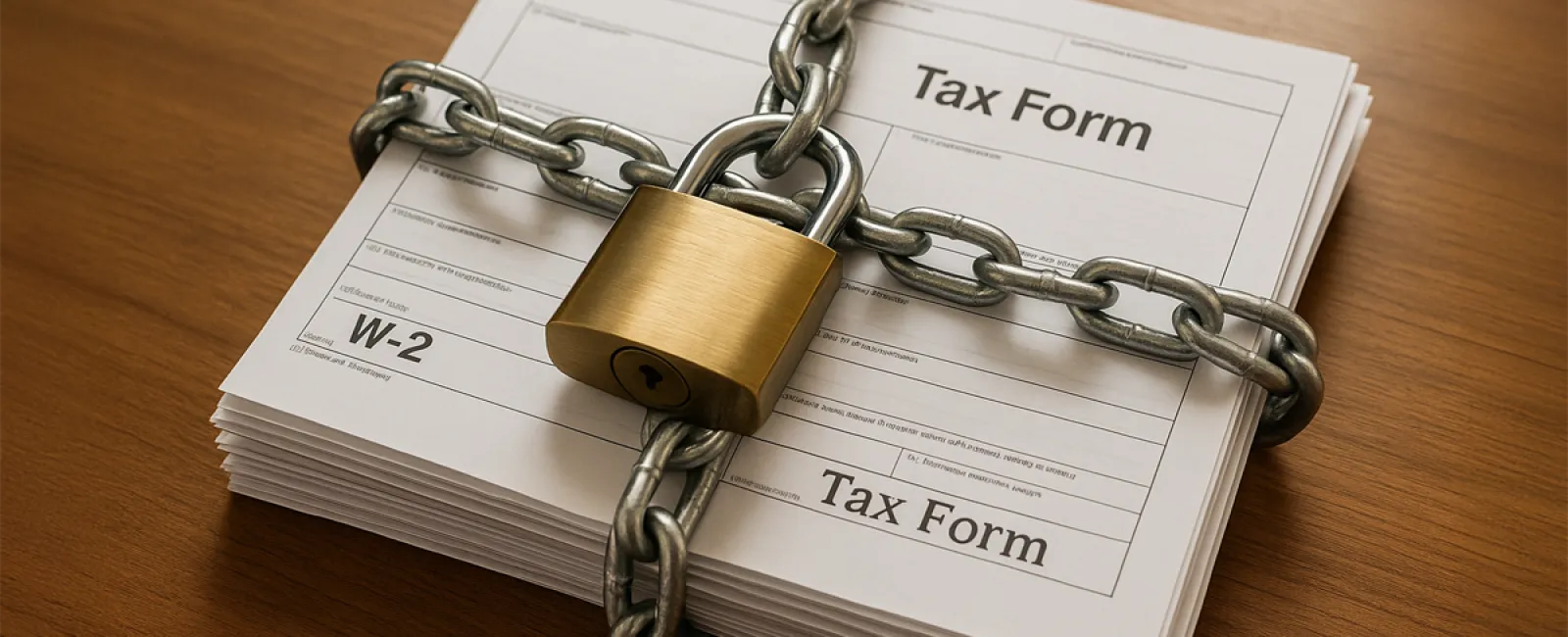
February signals the start of tax season—a hectic time when your accountant's calendar fills up, your bookkeeper scrambles for paperwork, and everyone is focused on W-2s, 1099s, and looming deadlines.
However, what often goes unnoticed and unmarked on any schedule is the early tax-season threat that isn't a form—it's a deceptive scam.
This scam surfaces well before April, targeting small businesses with a cleverly crafted, believable approach. It might already be lurking in an employee's inbox.
Understanding the W-2 Scam: The Mechanics
Here's how the scam unfolds:
A company employee, often someone responsible for payroll or HR, receives an email that appears to be from the CEO or another top executive.
The email is brief, urgent, and convincing:
"I need copies of all employee W-2s for a meeting with the accountant—please send them ASAP. My schedule is packed today."
The tone seems normal and fitting, given the busy tax period. The request feels legitimate enough.
Trusting this, the employee forwards the W-2 forms.
But the email isn't genuine—it comes from a cybercriminal using a spoofed sender address or a domain that closely resembles the real one.
With these stolen documents, the criminal now possesses every employee's:
• Full legal names
• Social Security numbers
• Home addresses
• Salary details
That's all the sensitive data needed for identity theft and to file fraudulent tax returns ahead of your employees.
The Fallout: What Happens After?
Usually, the breach is discovered when:
An employee attempts to file their tax return, only to be rejected with the message: "Return already filed for this Social Security number."
Someone else has already filed in their name and claimed the refund.
Now, your employee faces the burden of dealing with the IRS, monitoring credit, securing identity theft protection, and managing months of recovery paperw ork—all triggered by an email they thought was legitimate.
Imagine this multiplied across your entire workforce. Explaining the data breach due to falling for a convincing scam is more than a security issue—it's a serious breach of trust, a human resources dilemma, a legal risk, and a blow to company reputation.
Why This Scam Is So Effective
This isn't a distant, obvious scam like the classic Nigerian prince emails.
Its success lies in:
The timing aligns perfectly; W-2 requests normally happen in February, so no suspicion arises.
The request itself is sensible—not an unrealistic demand like wiring money or buying gift cards.
The urgency fits a busy workday, making quick responses feel natural.
The email appears authentic because scammers research their targets, mimicking CEOs or accountants accurately.
Employees are inclined to assist and meet the boss's urgent requests without hesitation.
Top Strategies to Safeguard Your Business Before the Scam Strikes
The good news? These scams can be stopped with clear policies and a vigilant workplace culture rather than just technology.
Implement a strict "no W-2s sent by email" policy—no exceptions. Sensitive payroll documents should never leave your company via email, even if the request seems to come from the CEO.
Confirm any sensitive document requests through a secondary method like a phone call, face-to-face conversation, or chat using verified contact info—not by replying to the email. Taking 30 seconds here can prevent months of chaos.
Conduct a quick, 10-minute briefing right now with your payroll and HR teams about these scams: what to look for, when they're likely to spike, and proper response actions. Proactive awareness is the best defense.
Secure your payroll and HR systems with multi-factor authentication (MFA) anywhere employee data is accessed. This extra layer helps block unauthorized access even if passwords are compromised.
Foster a culture where verification is encouraged and valued. Employees who double-check suspicious emails from leadership should be rewarded, not criticized. In such an environment, scammers find no easy entry.
These five simple rules can be implemented immediately and offer powerful protection against initial scam attempts.
Looking Ahead: The Broader Threat Landscape
The W-2 scam is only the first wave.
Expect a surge of tax-related cyberattacks through April including:
• Fraudulent IRS notices demanding urgent payments
• Phishing emails disguised as tax software updates
• Spoofed communications from "your accountant" containing harmful links
• Fake invoices timed to coincide with tax expenses
Criminals exploit tax season because of the widespread distraction and urgency, making financial requests appear routine.
Businesses that navigate tax season without incident aren't lucky—they are well-prepared with robust policies, employee training, and security systems designed to catch suspicious activity early.
Is Your Business Prepared to Defend Against These Scams?
If you already have strong policies and an informed team, you're steps ahead of most small businesses.
If you haven't started yet, the time to act is now—before you face the fallout.
Consider booking a 15-minute Tax Season Security Check.
During our consultation, we will review:
• Payroll and HR access controls, including MFA
• Your current W-2 verification procedures
• Email protection measures against spoofing
• Key policy updates often missed by businesses
If your business is already ready, fantastic. But if you know others who may be at risk, share this article—it might prevent them from experiencing costly damage.
Click here or give us a call at 407-278-5664 to schedule your free Discovery Call.
Because tax season is challenging enough without the additional burden of identity theft.
